
Environmental Engieering
A branch of civil engineering dedicated to protecting public health and the environment through sustainable design and innovation. It focuses on developing solutions for clean water, safe air, and responsible waste management—helping communities reduce pollution and preserve natural resources. Environmental engineers design and manage systems such as water treatment facilities, wastewater systems, air quality controls, and recycling and waste management processes. Their work addresses challenges like contamination, climate impact, and resource conservation.
By applying principles from chemistry, biology, and engineering, they create practical solutions that balance human needs with environmental protection.
At its core, environmental engineering is about building a healthier, more sustainable future for people and the planet.
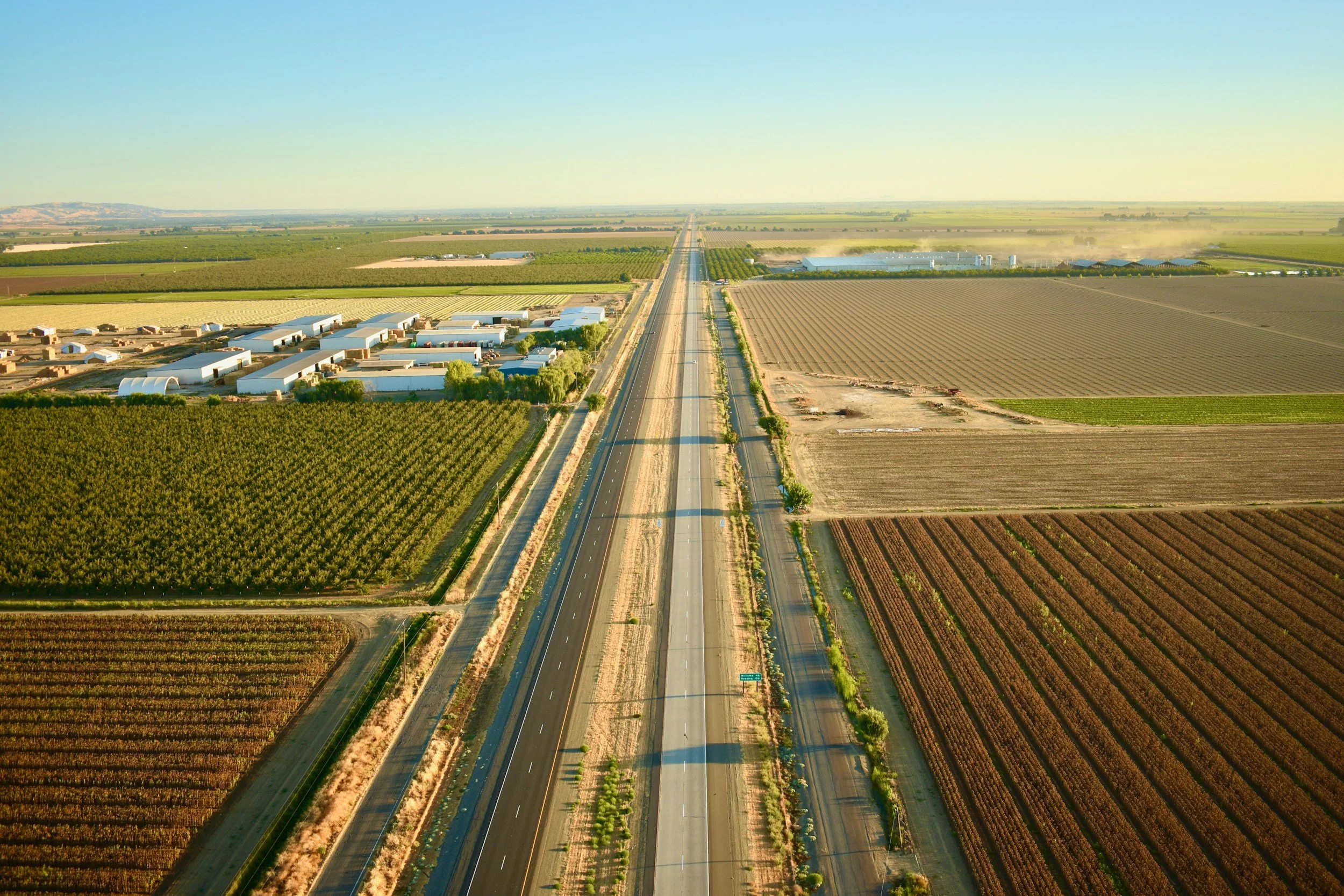
Phase 1 Environmental Site Assessments
Our Phase I Environmental Site Assessment (ESA) involves a comprehensive review of the property and surrounding area to identify any potential environmental concerns or recognized environmental conditions. This process includes evaluating historical land use, regulatory records, site observations, and other relevant data to determine whether contamination may be present or suspected. If the Phase I ESA identifies potential or actual environmental concerns, a Phase II ESA may be recommended.
Phase 2 Environmental Site Assessments
A Phase I Environmental Site Assessment (ESA) can provide assurance and protection for both lenders and landowners by identifying potential environmental risks associated with a property. However, if potential or actual contamination is identified, a Phase II ESA is recommended. This more detailed assessment involves soil and/or groundwater sampling along with laboratory analysis to determine the presence, extent, and type of contamination. The results help quantify and classify environmental conditions so that appropriate next steps for remediation or management can be determined.